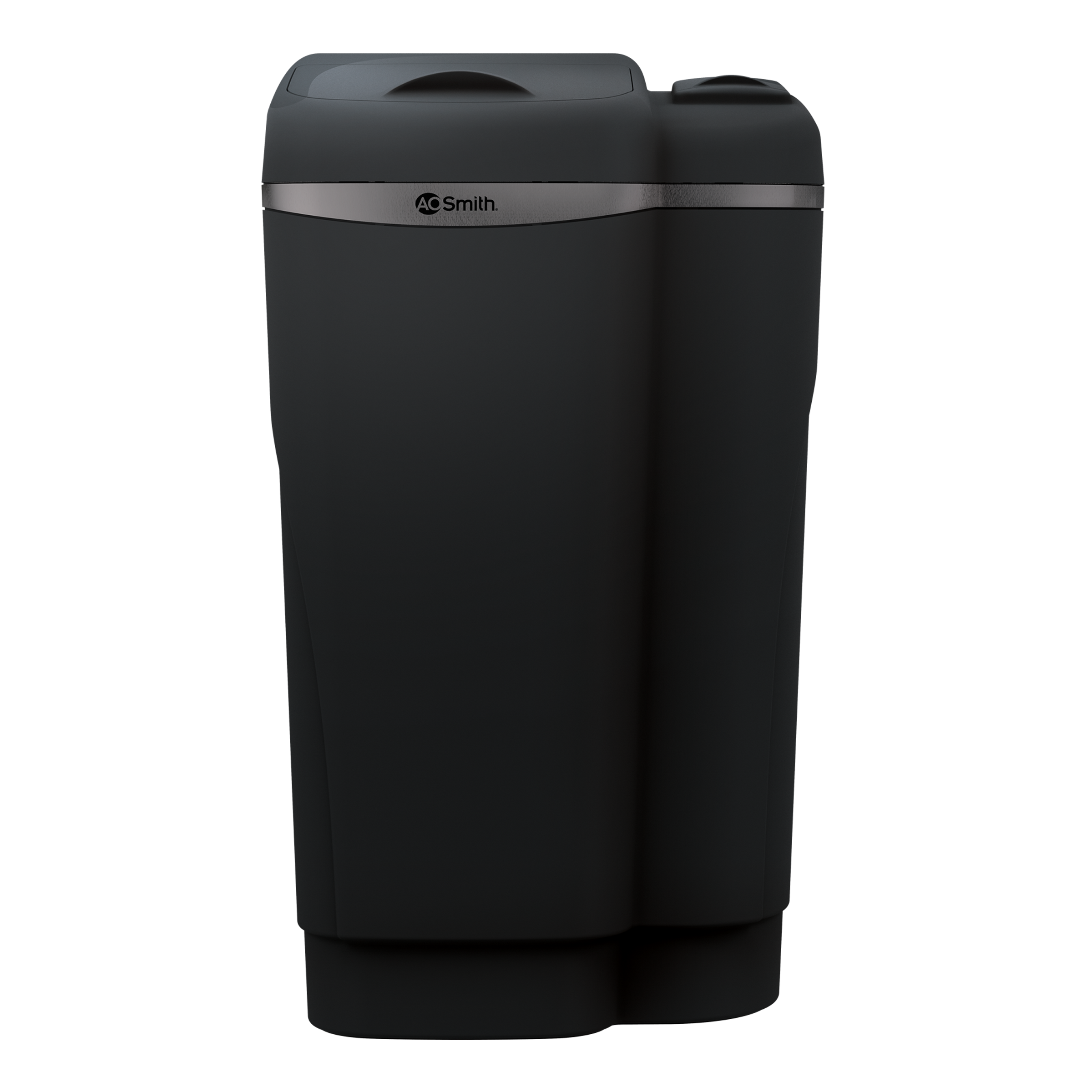
Water Softener Cost: Equipment, Install, Salt & Lifetime (2026)
What a water softener really costs: equipment by grain tier, professional vs DIY install, salt and electricity per month, resin lifespan — and the lifetime math that beats sticker price.
Quick answer
A correctly sized, metered salt-based softener costs $600–1,600 installed for most homes — equipment by grain tier ($400–1,000 typical), plus installation ($150–800 by region and plumbing). Running costs are dominated by salt: $5–15/month at typical loads. The two costs people don't plan for are the ones that matter: sizing wrong (a too-small unit regenerates daily and eats its own resin years early) and ignoring the drain/space requirements until install day. Size first with the calculator, then cost the tier — not the other way around.
Independent second source · 2026-11-06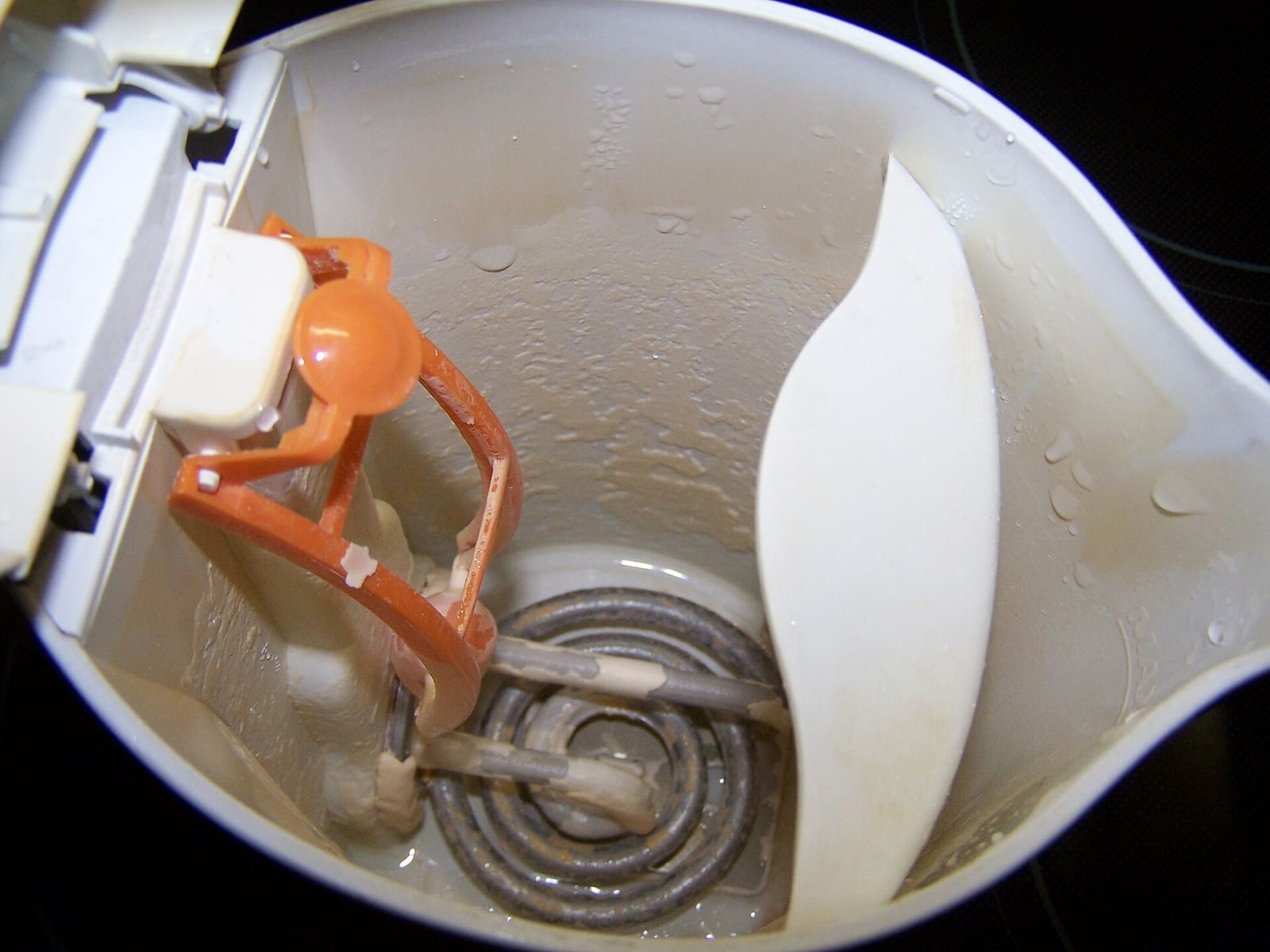
Equipment cost by grain tier
The grain tier — which the sizing chart derives from your hardness and household — drives the equipment bill more than the brand badge:
| Tier | Typical equipment | Right for |
|---|---|---|
| 24k | $400–600 | 1–2 people, moderate hardness |
| 32k | $450–700 | 2–3 people, moderate-hard |
| 40k–48k | $550–1,000 | 3–5 people, hard water |
| 60k | $700–1,400 | 4–6 people, very hard |
| 80k–90k | $900–1,800 | large households / high iron |
| Duplex/commercial | $2,000+ | continuous demand, pro spec |
Brand pages on this site list each lineup's tiers with warranty depth — often the real differentiator between same-price units (brand comparison).
Installation: what moves the number
Base professional install runs $150–500 for a straightforward hookup (accessible main, nearby drain, standard plumbing). It climbs toward $800 with any of:
- Plumbing size/material — 1"+ mains, old galvanized needing adaptation, or extensive rerouting
- Drain distance — regeneration brine must reach an air-gapped drain; long runs or condensate pumps add real cost
- Location work — slab, crawlspace or outdoor-pad installs with weatherproofing
- Code and permits — some jurisdictions require a licensed install or a permit; a few restrict brine discharge into septic (check before buying anything)
DIY saves the labor if you can cut and join your pipe type, install the bypass valve that ships with most units, and create a code-compliant air-gapped drain. Budget half a day.
The running costs, honestly
- Salt — the big one. 40–80 lb/month typical; roughly $5–8 per 40 lb bag for pellets (skip "iron-fighting" blends unless you actually have iron — check pellet prices on Amazon). Your exact figure = your daily grain load: the regeneration calculator prints it.
- Electricity — $2–5/month for a metered valve's control head; non-electric designs (like Kinetico-style twin units) use water pressure instead.
- Water for regeneration — tens of gallons per cycle, already inside your usage bill's noise unless you're on a drought tariff.
- Resin — 10+ year lifespan typical; a re-bed (media replacement) runs $150–400 as a service job. Chlorinated city water ages resin faster than well water without a carbon stage.
Lifetime math vs the appliance it protects
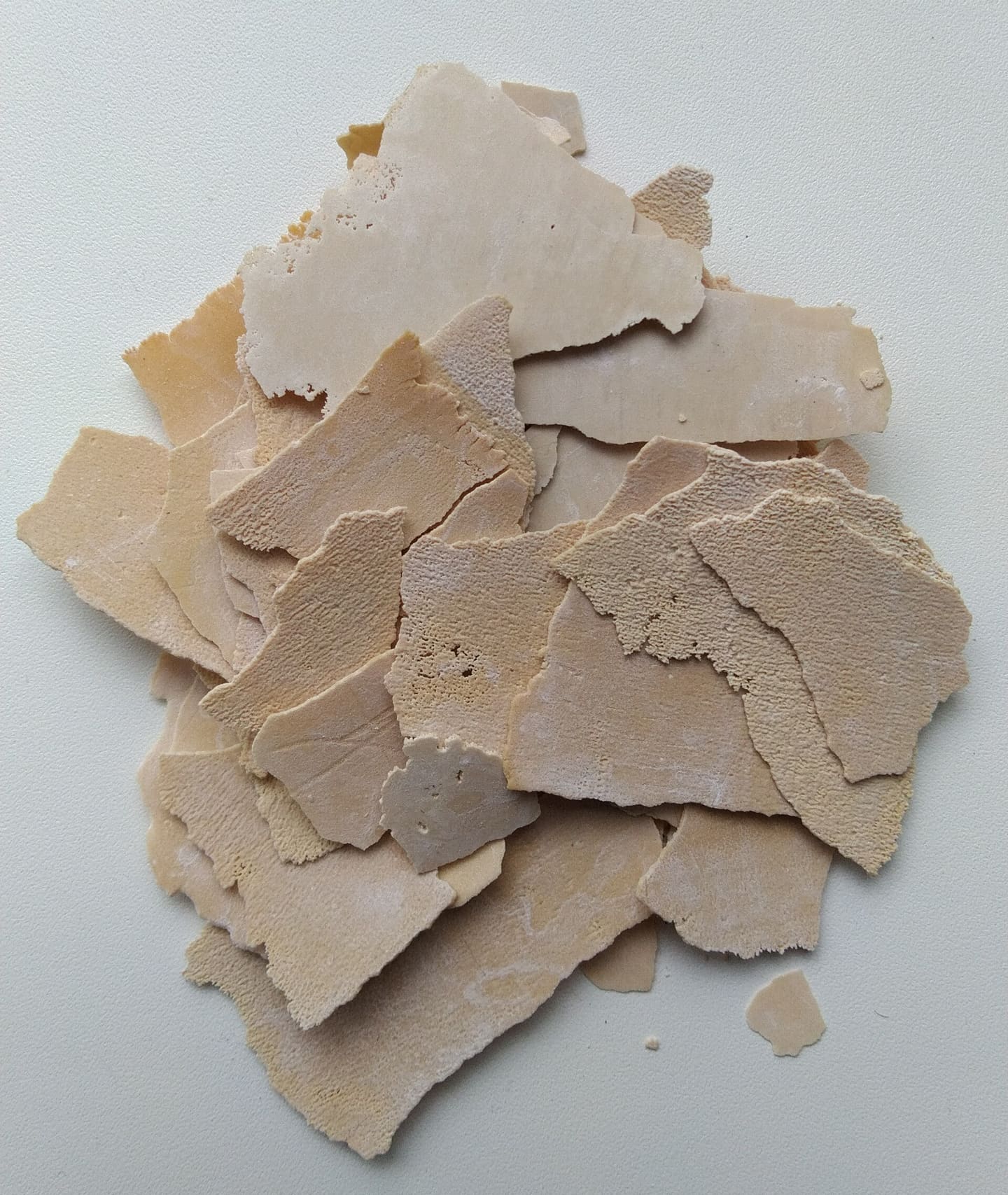
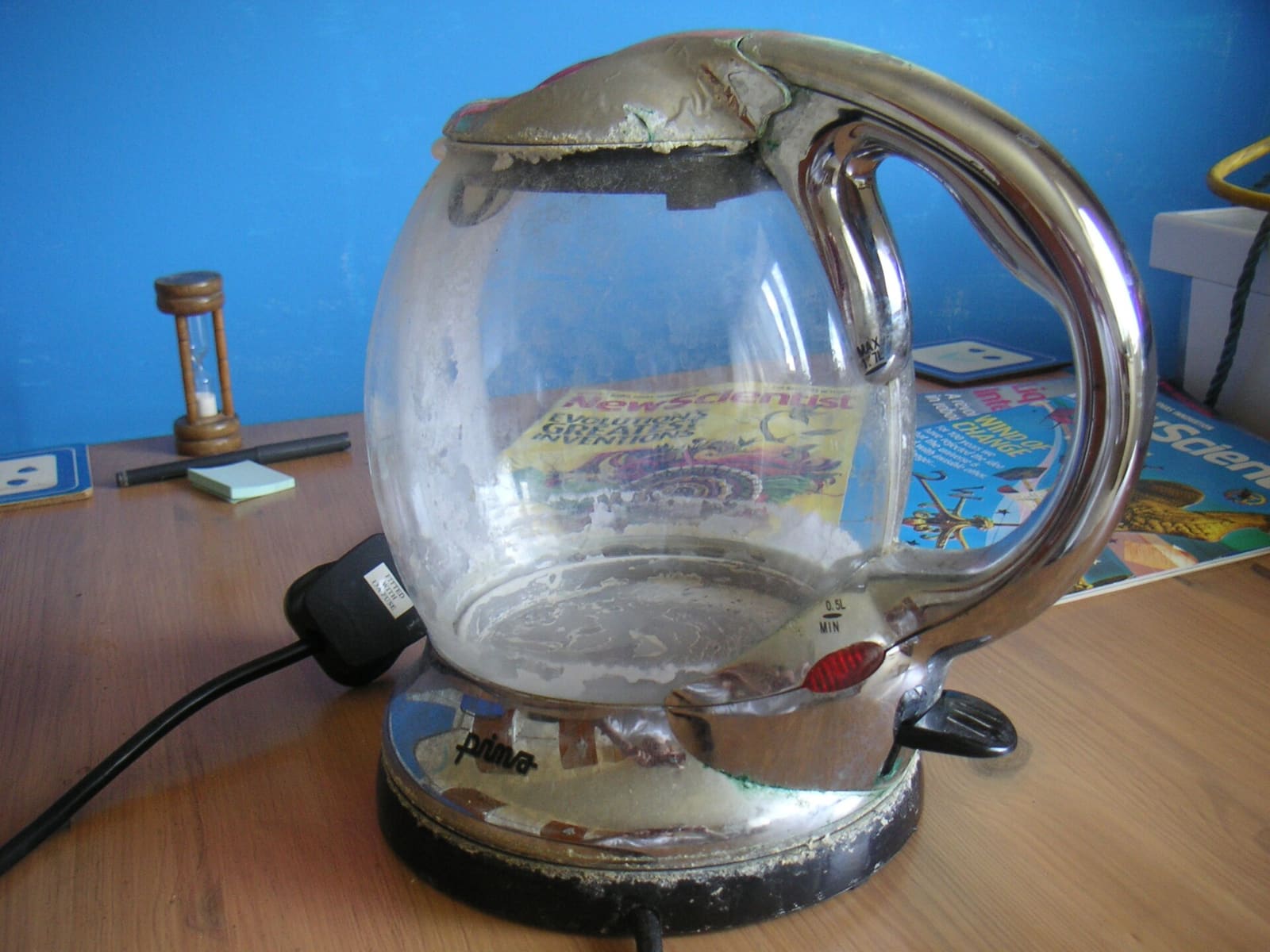
The honest cost-benefit isn't softener vs nothing — it's softener vs the hard-water tax: heater efficiency loss to scale (each millimeter of coating measurably raises energy use), appliance lifetimes cut roughly in half on very hard water, detergent overdosing, and fixture replacement. On very hard water (15+ gpg), a mid-tier system's lifetime cost is typically recovered well before its resin needs replacing — and on 25 gpg water the case isn't debatable. The hardness scale page details what each band does to a home.
Where NOT to save
- Undersizing to hit a price point — the unit regenerates daily, wears early, and still lets hardness through: the most expensive possible outcome.
- Timer valves on the cheapest SKUs — metered valves pay their premium back in salt within the first year or two.
- Skipping the water test — a $10 kit (or your utility's published report) prevents a mis-tiered purchase.
- No drain planning — discovering it on install day converts a $300 install into an $800 one.
Related pages
- What size do I need — the sizing chain that picks the tier
- How to test water hardness — the $10 step that anchors every cost above
- Salt-free vs salt-based — the other category's cost profile
- Brand comparison — warranty depth by model, the hidden cost variable
FAQ
How much does a water softener cost installed?
Most US households land between $600 and $1,600 all-in: $400–1,000 for the equipment (driven by grain tier more than brand) plus $150–800 for installation depending on region and plumbing complexity. Very hard water pushing a large family into 60k+ tiers, or duplex systems for continuous demand, run $1,500–3,000+.
What does a water softener cost per month to run?
Salt is the main line item: 40–80 lb per month for a typical household at $5–8 per 40 lb bag — the [regeneration calculator](/regeneration-calculator) computes yours from actual load. Add $2–5 of electricity for the valve (less for modern metered units, zero for non-electric designs) and roughly $8–15/month amortized for resin replacement every 10+ years.
Is a more expensive softener worth it?
Up to a point. Price tracks grain tier, valve quality and warranty depth. Beyond correctly-sized mid-tier units from established brands, the premium buys marginal efficiency and nicer controls, not better soft water. Size first with the [calculator](/#calculator) — a correctly tiered $700 unit beats a mis-tiered $1,500 one every time.
DIY or professional installation?
DIY suits competent plumbers: it's cut-pipe, glue/-thread, one bypass loop, a drain connection with air gap, and level ground — $150–500 saved. Go professional when the main line is over 1", the install point is far from a drain, local code requires a licensed connection, or the system is a 60k+ tier with heavy components. A botched install voids warranties that would otherwise cover the tank for a decade.
All guides
Related pages