The Water Hardness Scale: Soft to Very Hard (gpg & mg/L)
The complete water hardness scale: what soft, moderately hard, hard and very hard mean in gpg and mg/L, what each level does to your home, and the number where a softener pays for itself.
Quick answer
The US water industry reads hardness on a four-step scale from the USGS (Durfor & Becker, 1964): soft < 3.5 gpg (≤ 60 mg/L), moderately hard 3.5–7 (61–120), hard 7–10.5 (121–180), very hard > 10.5 (> 180). One grain per gallon equals 17.1 mg/L of calcium carbonate. Above 7 gpg, scale and soap costs become measurable — that's the band where a correctly sized softener starts paying for itself.
Independent second source · 2026-11-06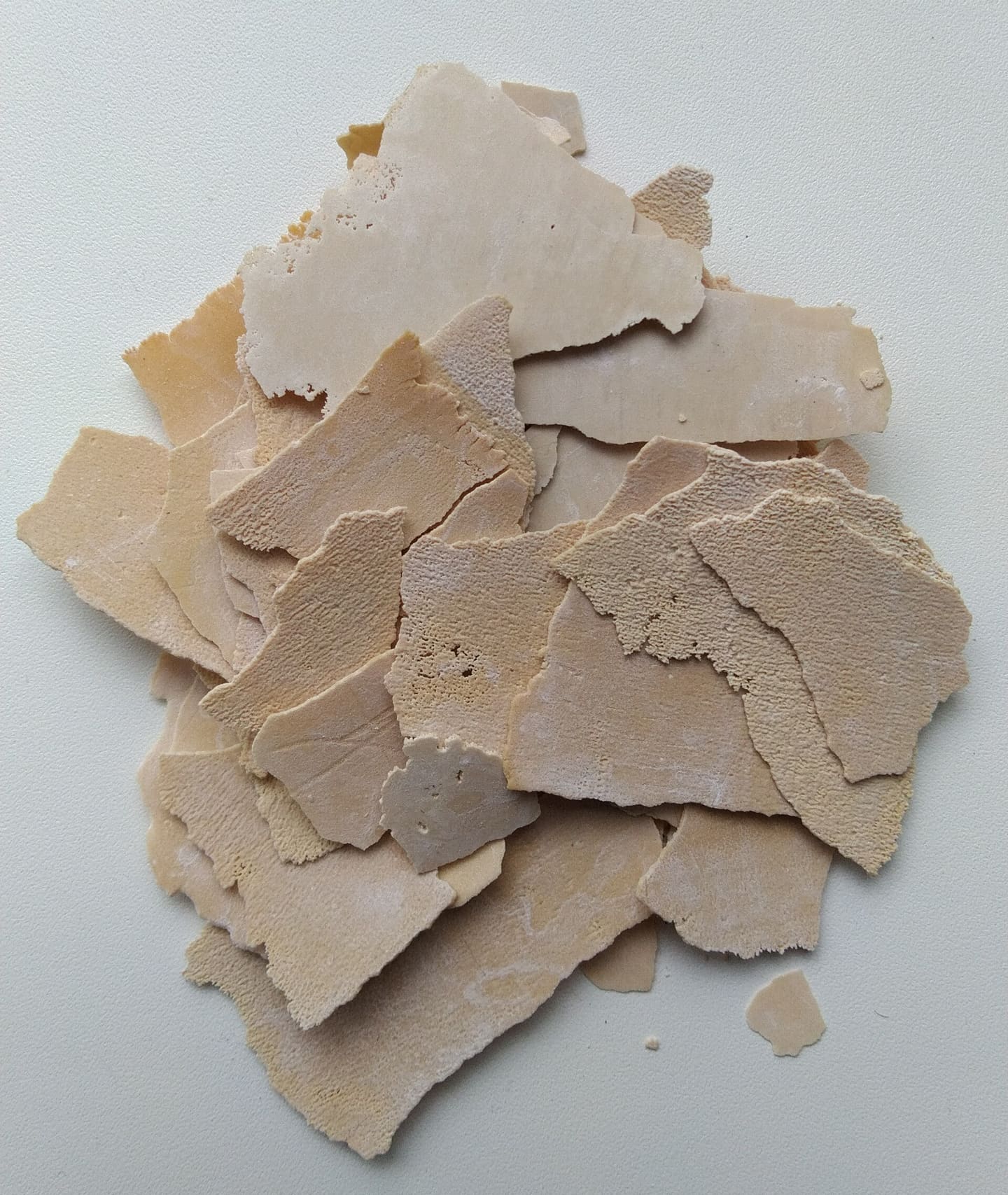
USGS scale — classes explained on the hardness scale page.
The scale, level by level
Soft — under 3.5 gpg (≤ 60 mg/L)
No scale formation; soap lathers freely. Softness comes from granite/sandstone aquifers or from municipal treatment that already removes minerals. Water this soft needs no softener — adding one mainly adds salt maintenance. Some naturally soft water is slightly acidic and leaches copper from pipes instead; that's a different problem (pH correction, not softening).
Moderately hard — 3.5 to 7 gpg (61–120 mg/L)
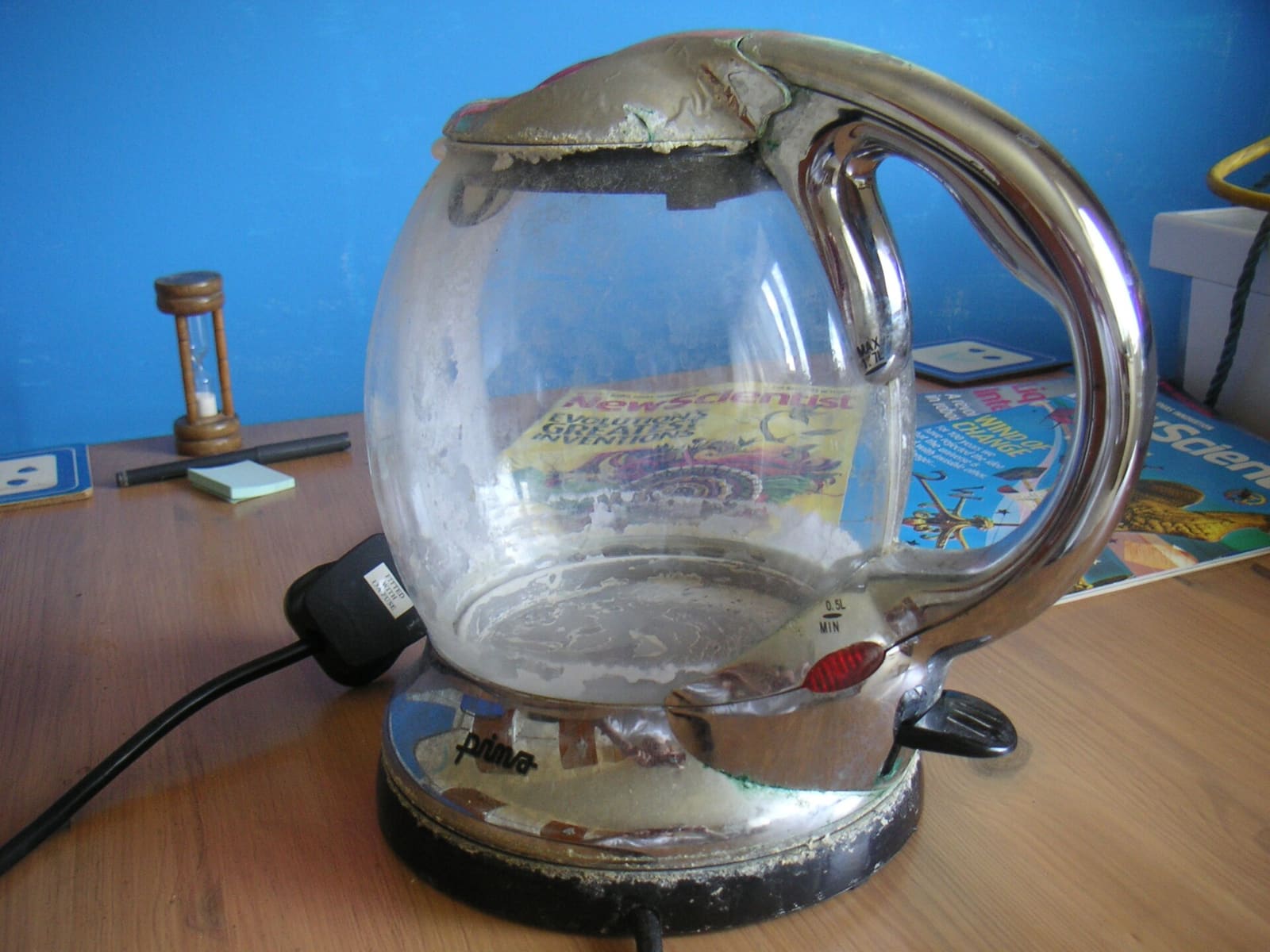
The first level where hardness is noticeable: spots on air-dried glasses, a faint ring in the kettle over months. Most households here split on whether to soften — soap savings are real but modest. If you soften at this level, a compact 24k unit covers typical families.
Hard — 7 to 10.5 gpg (121–180 mg/L)
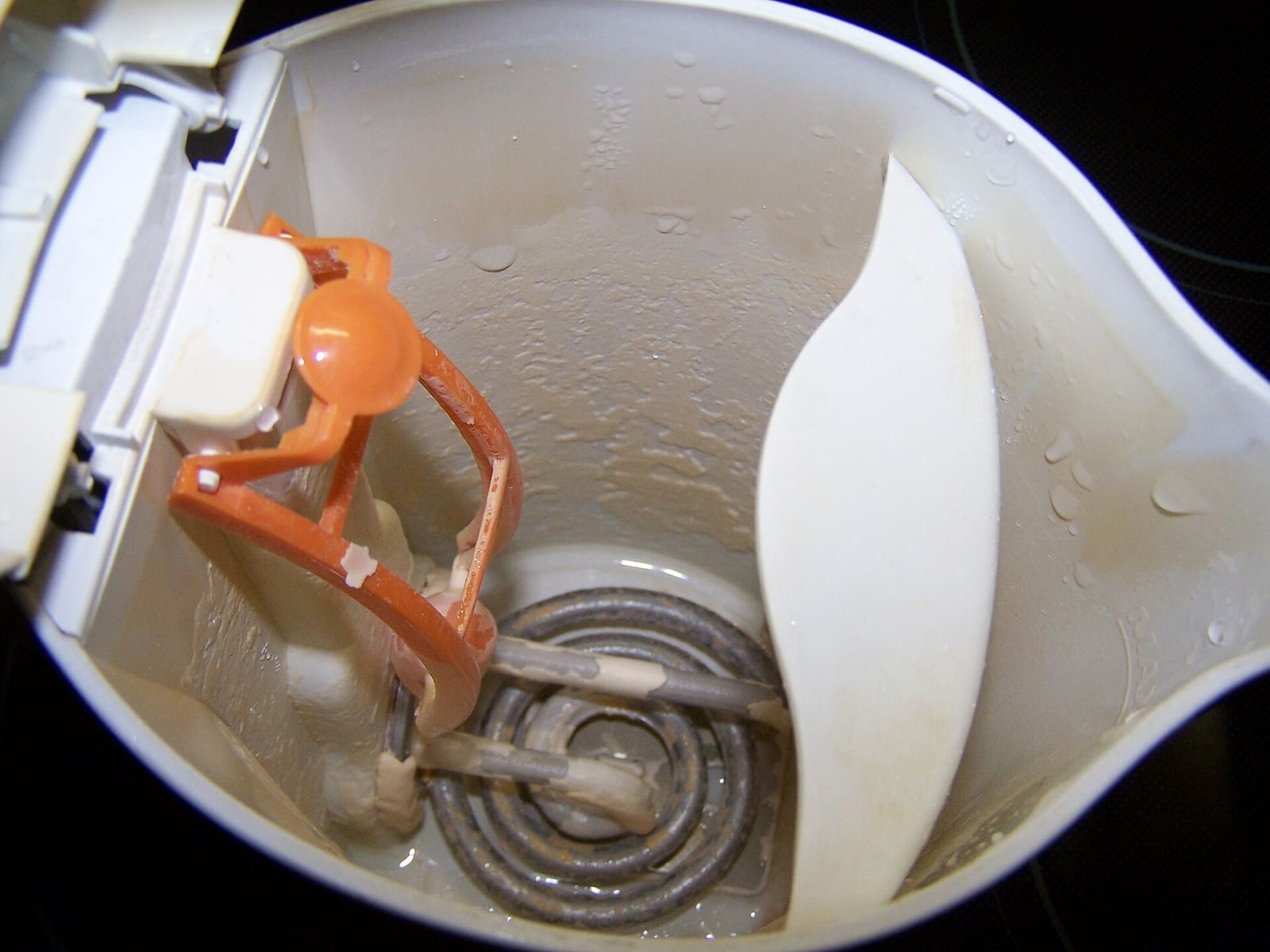
Scale in kettles within weeks, visible shower-door spotting, water heater efficiency measurably degraded (each millimeter of scale on a heating element measurably raises energy use). Detergent doses creep up to compensate. This is the band where softening clearly pays, and where most "why are my dishes spotted" zip codes sit.
Very hard — over 10.5 gpg (> 180 mg/L)
Industrial-grade hardness across most of Texas, the Midwest karst belt, Arizona, Florida and the plains: scale flakes like the photo above, appliance lifetimes halve, heaters roar with kettling. Softening here is less a comfort purchase than plumbing protection — and sizing must respect the full load, because an undersized unit on 20 gpg water regenerates itself into an early grave.
gpg, mg/L, ppm and degrees — the unit jungle
Water tests and spec sheets mix four units for the same thing:
| Unit | Where you see it | Convert to gpg |
|---|---|---|
| gpg (grains per gallon) | Softener spec sheets, US sizing tradition | — |
| mg/L as CaCO₃ | Lab tests, utility reports | ÷ 17.1 |
| ppm | Test strips, well reports | ≈ mg/L — ÷ 17.1 |
| °dH (German degrees) | European appliances, German manuals | × 0.96 (1 °dH = 17.85 mg/L CaCO₃ equivalent) |
| °fH (French degrees) | French/Spanish water reports | × 0.58 (1 °fH = 10 mg/L; 1 gpg ≈ 1.71 °fH) |
| °e / °Clark (English degrees) | UK water reports | × 0.70 (1 °e = 14.3 mg/L) |
| mmol/L | Nordic labs, scientific reports | × 5.85 (1 mmol/L = 100.09 mg/L) |
The size calculator accepts mg/L or gpg directly — it converts as you type.
Where hard water actually costs money
- Water heaters — scale insulates the heating element or tank bottom; heavily scaled heaters run measurably longer per cycle and fail years early. Tankless manufacturers void warranties above stated hardness without treatment.
- Appliances — dishwashers and washing machines on hard water run with element scale and clogged injector screens; service literature treats hardness as a wear factor.
- Soap and detergent — hardness ions consume soap before it lathers; the industry rule of thumb credits soft water with meaningful detergent savings per load, and many softener owners simply use less.
- Plumbing — hard scale slowly narrows hot-water pipes; in extreme cases flow drops before anyone inspects.
None of this is dramatic day to day — it's a slow tax. The very-hard photos on this page are what a decade of that tax looks like when you finally open the kettle or the heater.
What hardness does NOT mean
Hard water is not a health risk — calcium and magnesium are dietary minerals, and both the WHO and EPA treat hardness as an aesthetic parameter, not a contaminant. The case for softening is appliance and plumbing economics plus cleaning effort, not safety. Conversely, "soft" is not a purity grade: soft water can still carry contaminants that need different treatment (lead, nitrates, bacteria on private wells). A softener solves exactly one problem — know which one you have before buying equipment.
Test first, size second
Whatever your level, the sequence is the same: test hardness (+ iron and manganese on wells), read the sizing chart, then check what your number means in equipment terms with the size calculator. Typical levels by state — with official city samples — are on the hardness by state reference.
FAQ
What is considered hard water?
By the USGS classification used across the American water industry, water is 'hard' above 7 grains per gallon (about 120 mg/L) and 'very hard' above 10.5 gpg (180 mg/L). Most of the continental US sits in the hard-to-very-hard range — the regional pattern follows geology: limestone and dolomite aquifers (Midwest, Texas, Florida) produce the hardest water in the country.
How many gpg is my water?
Test it — a $10 strip kit gives a usable answer and a lab test gives a precise one. If you're on city water, your utility's annual Consumer Confidence Report often states hardness in mg/L; divide by 17.1 to convert to grains per gallon. Our state-by-state reference pages show typical ranges with official city samples so you can sanity-check your result.
Is 15 grains per gallon hard?
Very — 15 gpg (about 257 mg/L) is well into the 'very hard' band. At that level scale forms visibly inside kettles and heaters within weeks, soap efficiency drops noticeably, and a correctly sized softener (typically the 40k–48k tier for a family of four) pays for itself in appliance life alone.
What hardness level needs a water softener?
There is no regulatory trigger, but the practical consensus: above 7 gpg (hard) softening starts paying — appliance scale, water-heater efficiency and soap use all measurably worsen. Above 10.5 gpg (very hard) a softener is close to a necessity for anything with a heating element. Below 3.5 gpg (soft) softening brings little benefit.
Can water be too soft?
Softened water is safe to drink for healthy households — the added sodium is modest (about 8 mg per glass at 10 gpg, roughly the sodium in a slice of bread). The genuine 'too soft' complaint is a slippery feel: fully softened water rinses soap differently and feels 'slick' until you adjust. Many homes with moderately hard source water set a blending valve to keep a few gpg in the supply for taste and feel.
All guides
Related pages