Water Softener Size Calculator
What size water softener does your home actually need? Enter your water hardness in grains per gallon or mg/L, your household size and any iron in the water — the calculator applies the industry sizing formula (weekly regeneration, 75% usable capacity), then maps your result onto the market's actual grain-capacity tiers, whichever brand you buy.
The water hardness scale
USGS classification · 1 gpg = 17.1 mg/L as CaCO₃Soft
0–3.5 gpg
0–60 mg/L
Moderately hard
3.5–7 gpg
61–120 mg/L
Hard
7–10.5 gpg
121–180 mg/L
Very hard
> 10.5 gpg
over 180 mg/L
Scale from the USGS (Durfor & Becker, 1964) — the classification every water test in the US quotes. Full explanation with symptoms on the hardness scale page.
Water softener size quick table
Grain capacity tier · weekly regeneration · no ironHousehold size down the side, water hardness across the top — every cell is the standard market tier that covers that combination. Iron in your water moves you right: add +4 gpg per ppm.
| Household | 5 gpg | 10 gpg | 15 gpg | 20 gpg | 25 gpg |
|---|---|---|---|---|---|
| 1 person | 24k | 24k | 24k | 24k | 24k |
| 2 people | 24k | 24k | 24k | 32k | 40k |
| 3 people | 24k | 24k | 32k | 48k | 60k |
| 4 people | 24k | 32k | 48k | 60k | 80k |
| 5 people | 24k | 40k | 60k | 80k | 90k |
| 6 people | 24k | 48k | 80k | 90k | 90k |
Rated-capacity tiers, sized at 75% usable capacity and weekly regeneration — the full chart including iron and regen-day sensitivity lives on the sizing chart page.
Hardness
tested gpg (+4/ppm iron)
× Water use
people × 75 gal/day
× 7d ÷ 0.75
weekly regen · usable capacity
Market tier
24k–90k grain
Same chain the calculator runs — every step sourced and dated on the sizing guide.
How softener sizing works
Daily grain load
People × 75 gallons/day (EPA-based) × compensated hardness in gpg = grains your home produces every day. A family of four on 15 gpg water loads 4,500 grains daily — the number every other step builds on.
Weekly regeneration window
Multiply by 7 days so the unit regenerates about weekly — the sweet spot between salt waste (too-often) and resin fouling (too-rare). Then ÷ 0.75, because a softener only reliably delivers 75% of its rated capacity between regens.
Map to a real market tier
Resins ship as 24k, 32k, 40k, 48k, 60k and 80k–90k grain systems — round up to the tier that covers your number. The calculator does the rounding and shows where you sit on the tier ladder.
Go deeper
What size do I need?
The full walk-through: how hardness, household size and iron combine into one grain number — with worked examples for family of 2 through 6.
Read the sizing guide →Sizing chart (all tiers)
Every household size against every hardness level, mapped to 24k–90k grain tiers — plus a downloadable table for offline comparison shopping.
Open the chart →The hardness scale
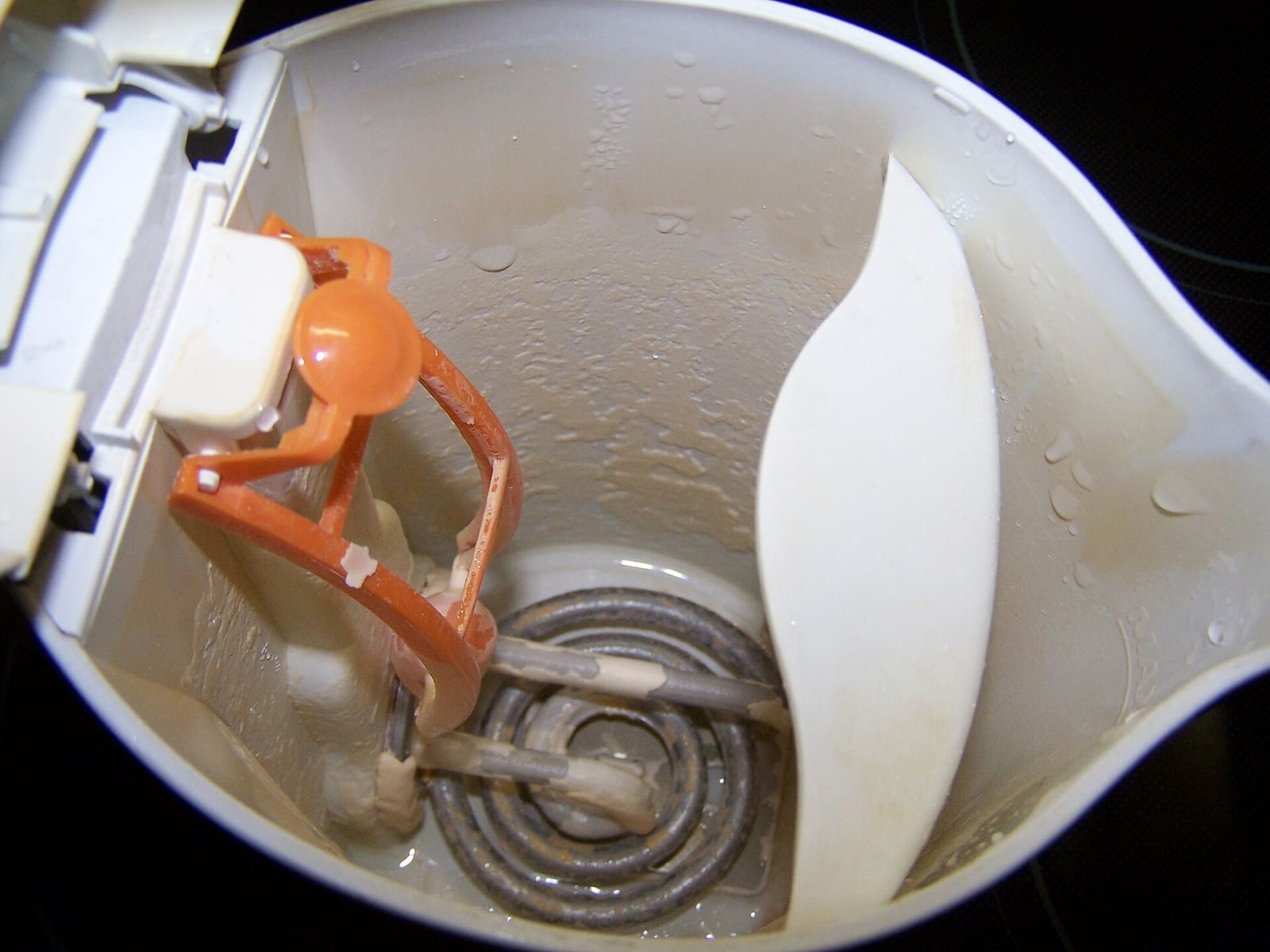
What soft, moderately hard, hard and very hard actually mean — gpg, mg/L, and what each level does to your kettle, heater and shower.
See the hardness scale →Hardness by state
Typical water hardness state by state — see where your water sits before you test it, with official-source city samples.
Check your state →Softener brands, spec by spec
Official datasheets summarized side by side: grain tiers, regeneration type, salt use and warranty — comparable across brands, which brand sites never are.
Compare brands →Why does mine regenerate so often?
Already own a softener? The regeneration calculator diagnoses your cycle length and salt use against the healthy 3–10 day band.
Diagnose my unit →Salt-free vs salt-based
Conditioners don't actually soften — the neutral explainer on what TAC systems really do, where each category honestly wins, and why the answer changes with iron.
The honest comparison →What a softener really costs
Equipment by grain tier, install variables, monthly salt and the lifetime math against the appliance damage it prevents — real numbers, 2026 snapshot.
See the full breakdown →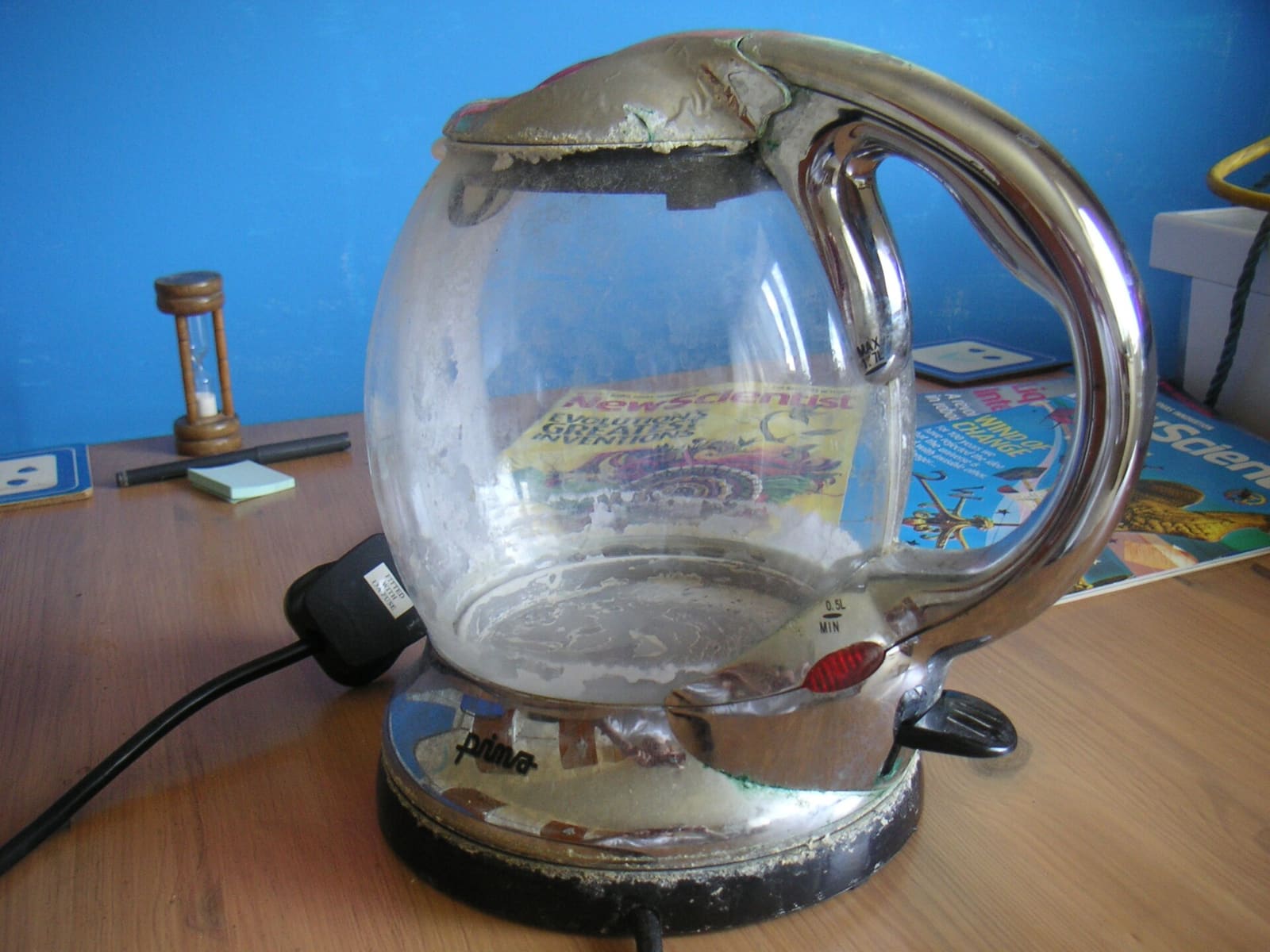
FAQ
What size water softener do I need?
Multiply your household's daily water use by your compensated water hardness to get grains per day, then size for roughly one regeneration per week: daily grains × 7 days ÷ 0.75 (a softener reliably delivers about 75% of its rated grain capacity between regenerations). A family of four at 15 grains per gallon needs 4 × 75 × 15 = 4,500 grains/day, which points to a 42,000-grain rated capacity — shop the next market tier up, a 48,000-grain unit. The calculator above runs the whole chain for you, including iron compensation.
How do I convert ppm or mg/L to grains per gallon?
Divide mg/L (the same scale as ppm) by 17.1 to get grains per gallon — 200 mg/L is about 11.7 gpg, which is very hard water by the USGS scale. Water test reports usually state hardness in mg/L or ppm, while softener spec sheets are rated in grains, so the conversion is the first step of every honest sizing. The calculator accepts either unit: switch the hardness input to mg/L and it converts for you.
Why does iron change the softener size?
Dissolved iron is exchanged by the resin just like hardness minerals, so it consumes softening capacity. The industry rule: add about 4 grains per gallon of equivalent hardness for every 1 ppm of dissolved iron (some sources use 5), and 2 gpg per ppm of manganese. A 12 gpg well with 2 ppm iron behaves like 20 gpg for sizing purposes — sizing on the raw hardness number alone leaves the softener undersized and regenerating constantly.
What does 32,000 or 48,000 grain capacity actually mean?
It is the rated exchange capacity of the resin bed under lab test conditions — typically measured at a high salt dose. In real households, the usable capacity between regenerations is closer to 75% of the rating, which is why sizing straight against the nameplate number produces a unit that runs out of soft water early. Our calculator and every quick table on this site work in rated capacity but divide by 0.75 to convert from the usable grains your home actually consumes.
Is bigger better, or should the softener regenerate more often?
Neither extreme is right. A unit sized so it regenerates about once a week keeps salt use moderate and the resin bed active; a heavily oversized tank regenerates rarely and the resin can sit idle long enough to foul, while an undersized one regenerates every day or two and wears out faster. Industry guidance treats 3–10 days between regenerations as the healthy band, with about weekly as the sizing sweet spot.
Is this website affiliated with any softener brand?
No. This site is brand-neutral on purpose: brand sizing tools only ever run the math for their own product line — our SERP research found every calculator in the top results owned by a brand or dealer that recommends its own models. Every formula and coefficient here is sourced and dated on the page, and our brand pages summarize official datasheets side by side so you can compare before you shop.