Water Softener Brands — Verified Datasheet Comparison
Softener brand comparison from official datasheets: grain tiers, iron limits, regen type, flow and warranty — neutral, sourced, comparable.
Quick answer
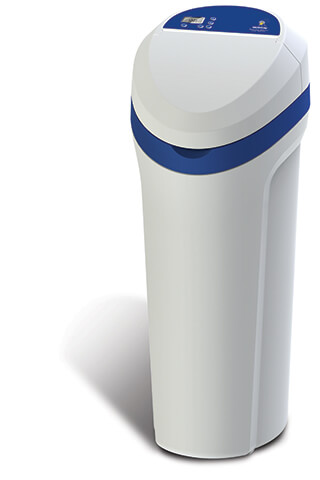
This index compares 6 water softener brands — Whirlpool, A.O. Smith, GE Appliances, Rheem, Morton, SpringWell — 28 models summarized in total, every row captured from official manufacturer sources with the link shown. Brand sites never put their specs next to a competitor's; this page does. Start from the size calculator to know your required grain capacity and iron limit, then compare brands below on spec, not marketing.
Manufacturer datasheetThe cross-brand comparison that spec sheets never show
Every brand page below follows the same capture discipline — official sources only, "(to be verified)" where the manufacturer publishes nothing, one table format — so the lineups are directly comparable:
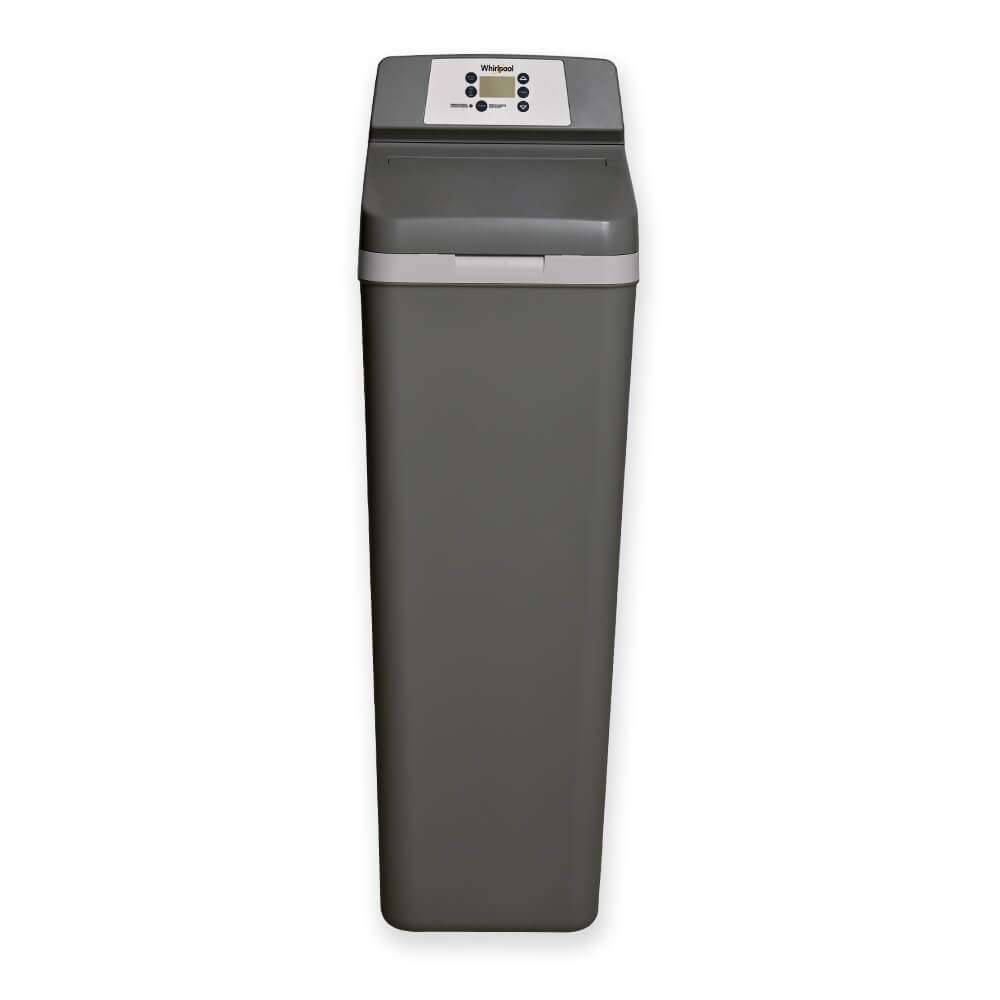
- Whirlpool: 8 models, 18,000–48,000 grains, clear-water iron up to 12 ppm
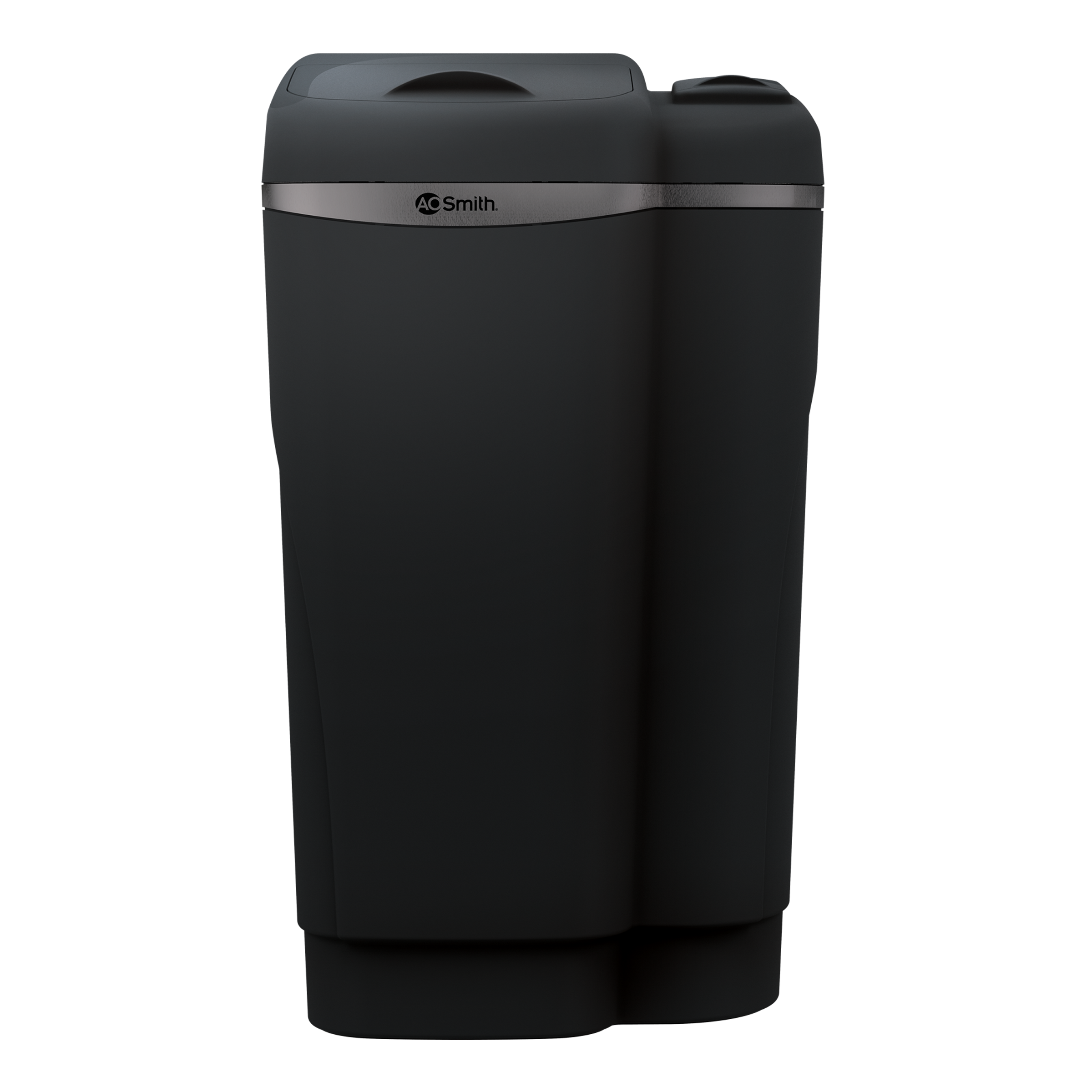
- A.O. Smith: 3 models, 35,000–45,000 grains, clear-water iron up to 10 ppm
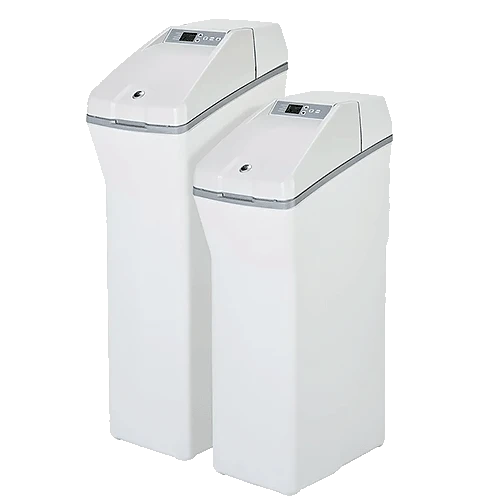
- GE Appliances: 4 models, 30,000–45,000 grains, clear-water iron up to 8 ppm
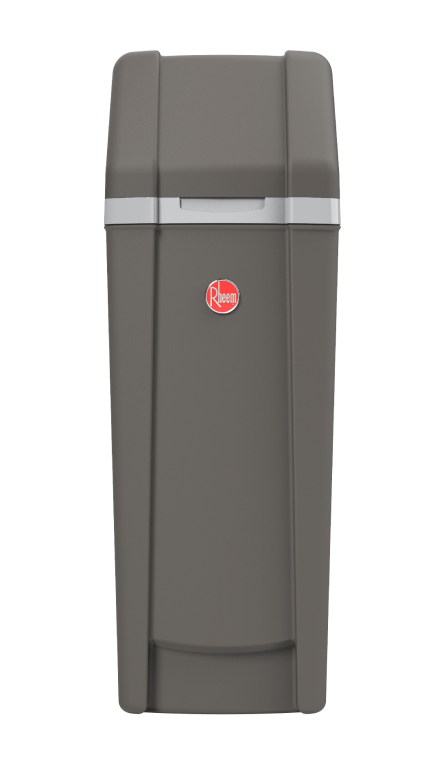
- Rheem: 4 models, 18,000–42,000 grains, clear-water iron up to 11 ppm
- Morton: 6 models, 20,000–45,000 grains, clear-water iron up to 12 ppm
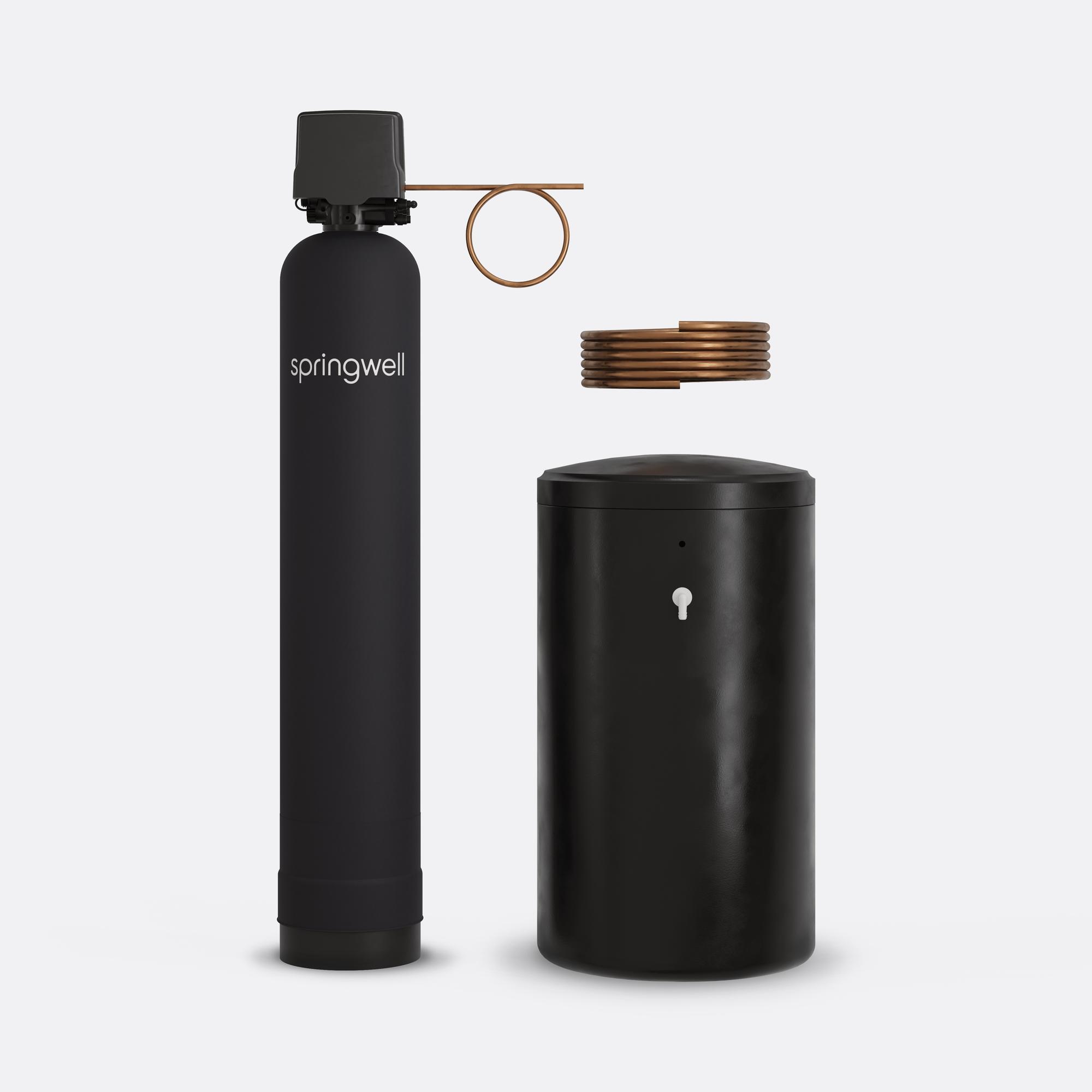
- SpringWell: 3 models, 32,000–80,000 grains, clear-water iron up to 0 ppm
Two patterns worth knowing before you pick: iron limits are the hidden differentiator — same-tier models range from single-digit ppm to 12+ ppm clear-water iron capacity, which decides well-water viability long before grain count; and rated capacity depends on salt dose — several brands publish the full dose-capacity table in their manuals (GE does it most explicitly), which is the honest version of the nameplate number our 0.75 usable-capacity factor accounts for.
How to use this comparison
The buying sequence that makes these tables useful: (1) test your water — hardness in gpg or mg/L, plus iron if you're on a well — rather than trusting a zip-code guess; (2) run the size calculator to get your required rated capacity and market tier; (3) open the brand pages at that tier and compare what actually differs: the iron ceiling, service flow rate, warranty depth, and whether the valve is metered; (4) confirm the exact model number and spec on the manufacturer's own page (linked per table) before purchase — lineups rotate quietly, and our capture dates mark exactly how fresh each row is.
What not to compare: nameplate grain alone (salt-dose assumptions differ), price on a dealer's quote sheet without the model number, and any "brand score" — a correctly tiered unit from any brand in this index beats a mis-tiered unit from the top-rated one, which is the whole reason this site sizes before it compares.
FAQ
Which water softener brand is best?
The honest answer is size-first: a correctly tiered unit from any covered brand beats a mis-tiered unit from the "best" brand. Size with the calculator, then compare same-tier models on the axes that actually differ — iron limit, flow rate, warranty depth and valve type.
Why is my brand not listed?
The index starts with brands whose official documentation could be captured and verified in full. Brands whose official specs could not be verified during capture are absent rather than covered loosely — more get added as their datasheets are captured with the same discipline.
Are these the current models?
Each page carries a Last Verified date. Model lineups change quietly — always confirm the exact model number and spec against the manufacturer's site (linked per table) before buying.
All brands
Related pages