Water Softener vs Water Filtration: What's Actually in Your Water
Water softener vs water filter: softeners remove hardness minerals; filters remove sediment, chlorine, lead. Which problem you have and which fixes it.
Quick answer
Different problems, different equipment. A softener removes dissolved hardness minerals (calcium/magnesium) — protecting heaters, appliances, pipes and soap performance. Filtration removes things softeners can't touch: sediment, chlorine, lead, nitrates, PFAS, bacteria. Test what's actually in your water, buy for that problem, and stage the equipment in the right order when you need both. A softener is never a water-safety device; a filter is never a scale solution.
Inferred
The category map
| Contaminant / problem | Softener (ion exchange) | Filter (media/RO) |
|---|---|---|
| Hardness (Ca/Mg) — scale, soap waste | ✅ removes | ⚠️ only RO removes meaningfully |
| Sediment, rust particles | ❌ | ✅ sediment stage |
| Chlorine taste/odor | ❌ | ✅ carbon |
| Lead | ❌ | ✅ carbon/RO (certified media) |
| Nitrates, PFAS | ❌ | ✅ RO or specialty media |
| Bacteria | ❌ | ❌ (needs UV/chlorination) |
| Dissolved (clear) iron | ⚠️ partial, limited ppm | ✅ iron-specific media |
| Hydrogen sulfide (rotten egg) | ❌ | ✅ oxidizing media |
The pattern: softeners act on dissolved minerals that cause scale; filters act on particles, chemicals and specific contaminants. Neither sterilizes.
Which problem do you actually have?
The symptom tells you which aisle to shop in:
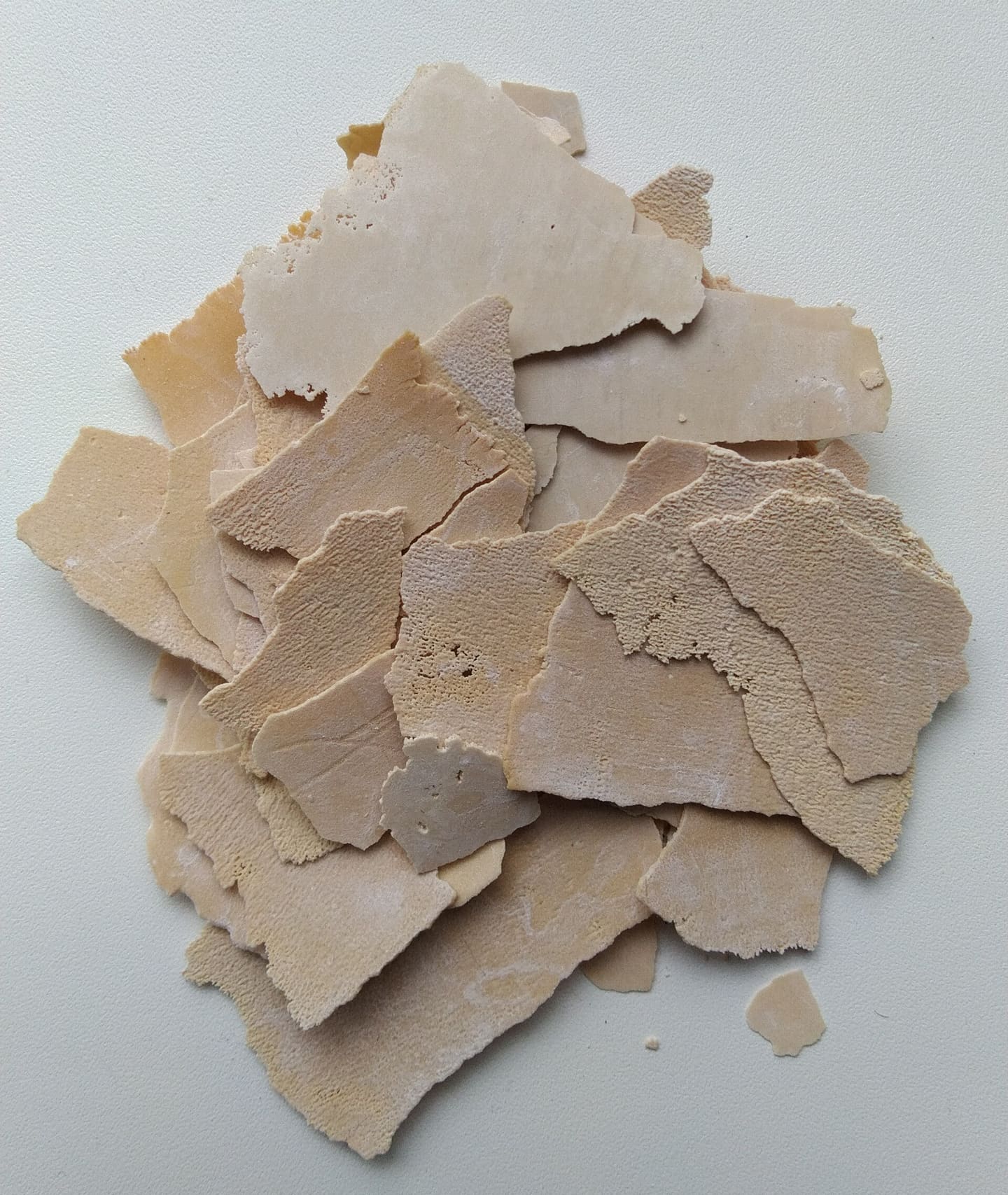
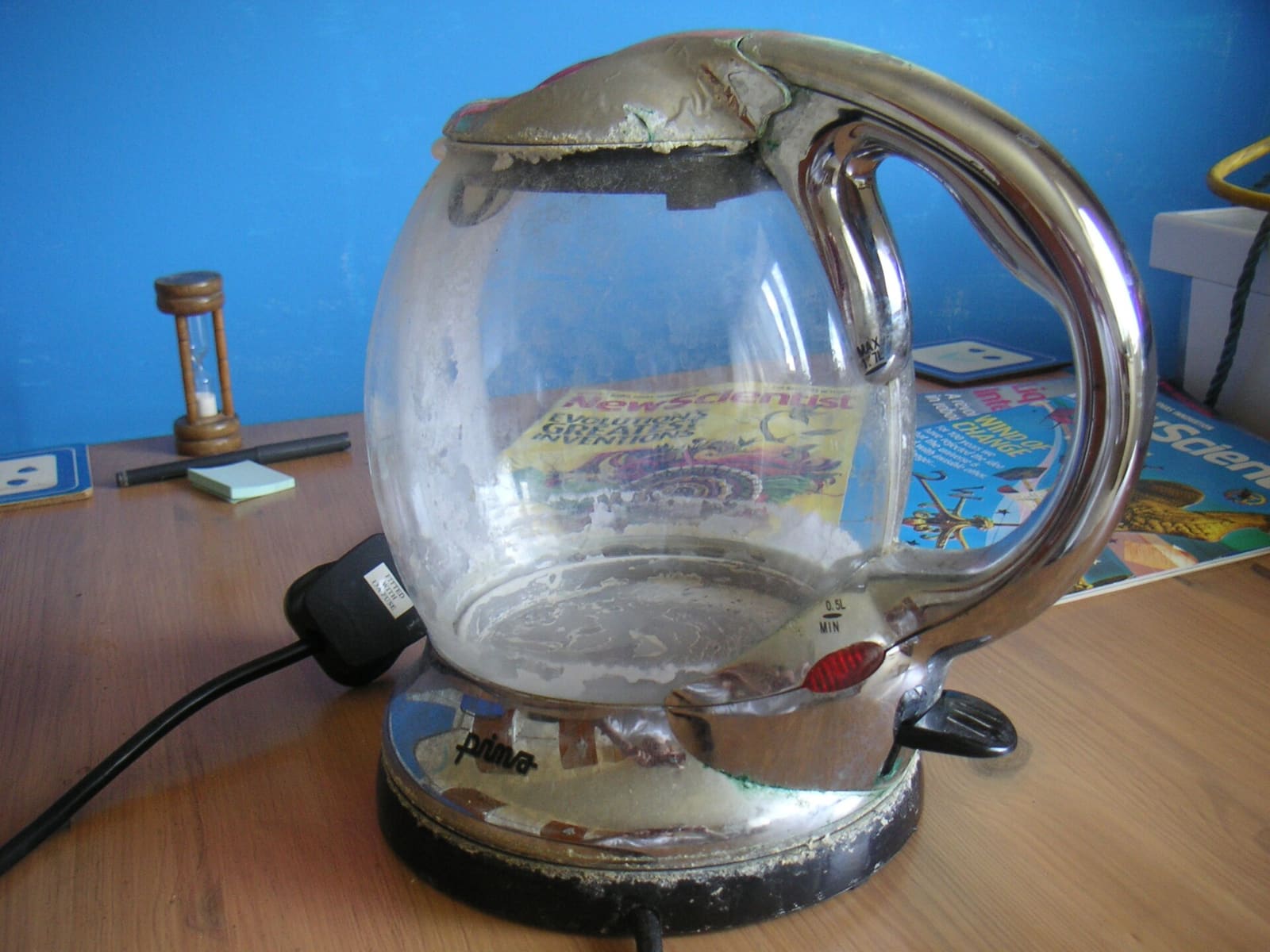
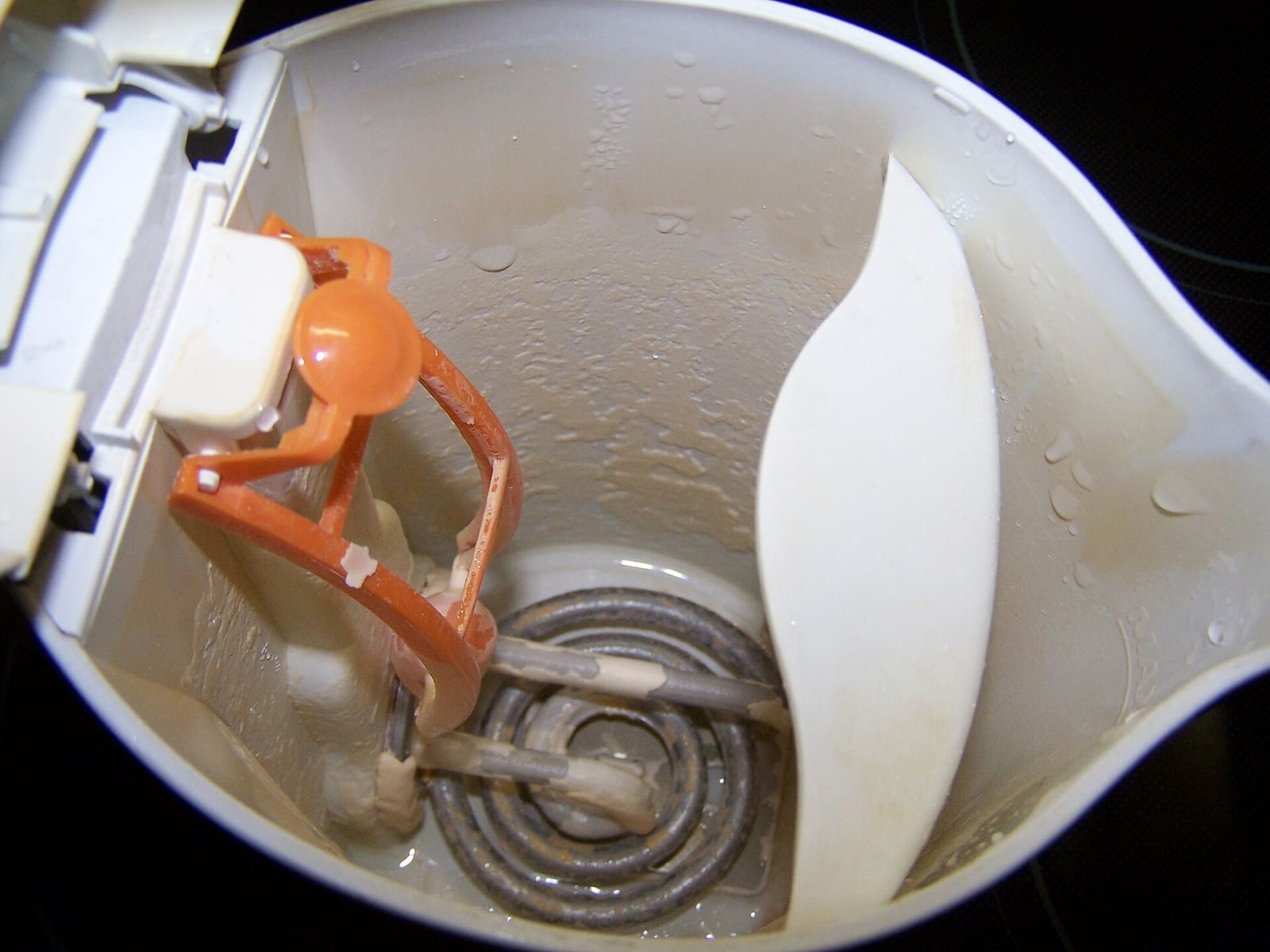
- White scale on kettles/faucets, spotted dishes, stiff laundry, soap that won't lather → hardness → softener, sized by grains
- Chlorine smell, municipal taste, cloudy particulates → filtration (sediment + carbon)
- Orange stains, metallic taste, well water → test first — this is the iron/iron-bacteria zone where architecture depends on form and concentration (iron in well water)
- Safety concerns (lead from old service lines, nitrates near agriculture, lab-flagged anything) → certified filtration or RO at minimum; a softener is irrelevant to these
- Appliance failures + taste complaints together → the common both-stages home
The standard whole-house architecture
When a home needs both, professional practice stages in this order:
- Sediment filter — first line; protects everything downstream from particles (especially wells).
- Carbon (city water) — removes chlorine before it attacks softener resin; also handles taste/odor. On chlorinated municipal supplies, this stage measurably extends resin life.
- Iron/sulfur media (if indicated) — oxidizing filtration when dissolved iron runs past what a softener should carry.
- Water softener — the scale solution, sized with iron compensation for whatever slipped through upstream.
- Point-of-use RO (optional) — drinking water at the kitchen sink for lead/PFAS/nitrate-grade peace of mind.
Not every home runs all five — that's the point of testing. But the order is not arbitrary: filtration protects the softener, the softener protects the appliances, and RO polishes the drinking tap.
The marketing confusion to ignore
- "Softening filter" — usually a cartridge with some ion-exchange resin; capacity is tiny versus a real softener and there's no regeneration. Fine for a single fixture, not a house.
- Salt-free systems sold as filtration — TAC conditioners neither filter nor soften (full story on the salt-free page).
- Whole-house "filtration" that claims scale control — if it doesn't remove hardness, it doesn't soften; check what the certification actually certifies.
Look for NSF/ANSI certifications matched to the claim: 44 for softener performance, 42 for aesthetic filtration, 53 for health contaminants, 58 for RO. A certificate for one does not cover the others — brands' marketing pages sometimes hope you won't check.
Related pages
- What size water softener do I need — the softener side, sized
- How to test water hardness — start with the $10 evidence
- Salt-free vs salt-based — the conditioner category explained
- Water softener cost — what the whole stack runs
FAQ
Is a water softener the same as a water filter?
No — they solve different problems. A softener removes dissolved hardness minerals (calcium and magnesium) through ion exchange; it does not remove sediment, chlorine, lead, nitrates or bacteria. A filter physically strains or adsorbs contaminants. Hard water problems (scale, soap waste) want a softener; safety and taste problems (chlorine taste, lead, particulates) want filtration.
Does a water softener make water safer to drink?
Not meaningfully — and it's not designed to. Hardness minerals are not health hazards; removing them protects plumbing and appliances, not people. If drinking-water safety is the concern (lead, nitrates, bacteria, PFAS), that's filtration or reverse osmosis territory — often installed alongside a softener, not instead of one.
Do I need both a softener and a filter?
Many homes end up with both, staged in sequence: sediment/carbon filtration first (protects the softener's valve and resin from chlorine attack on city water), softener second, drinking-water RO at the kitchen sink if wanted. The combo is standard water-treatment architecture, not upsell — each stage does a job the other can't.
Will a softener remove iron?
Partially — dissolved (clear-water) iron is exchanged like hardness, which is why sizing adds +4 gpg per ppm of it. But a softener is not an iron treatment: past a few ppm, or with oxidized (orange) iron or iron bacteria, dedicated iron filtration ahead of the softener is the correct architecture. See [iron in well water](/iron-in-well-water).
All guides
Related pages