Salt-Free Water Softener vs Salt-Based: What Actually Works
Salt-free water softener reality check: how TAC conditioners differ from salt-based softeners, what each genuinely does to hardness, scale and iron — and which homes each one is honestly right for.
Quick answer
"Salt-free water softener" is a marketing label for descalers/conditioners — the dominant type (TAC, template-assisted crystallization) treats hardness minerals so they don't form scale, but the minerals stay in the water. Only salt-based ion exchange physically removes hardness and produces genuinely soft water. Neither is a scam and neither is universally better: salt-free suits scale-protection priorities with no drain/sodium concerns at moderate hardness; salt-based suits everything else, sized by the grain capacity math. This page gives you the neutral version both product categories' marketing won't.
Independent second source · 2026-11-06
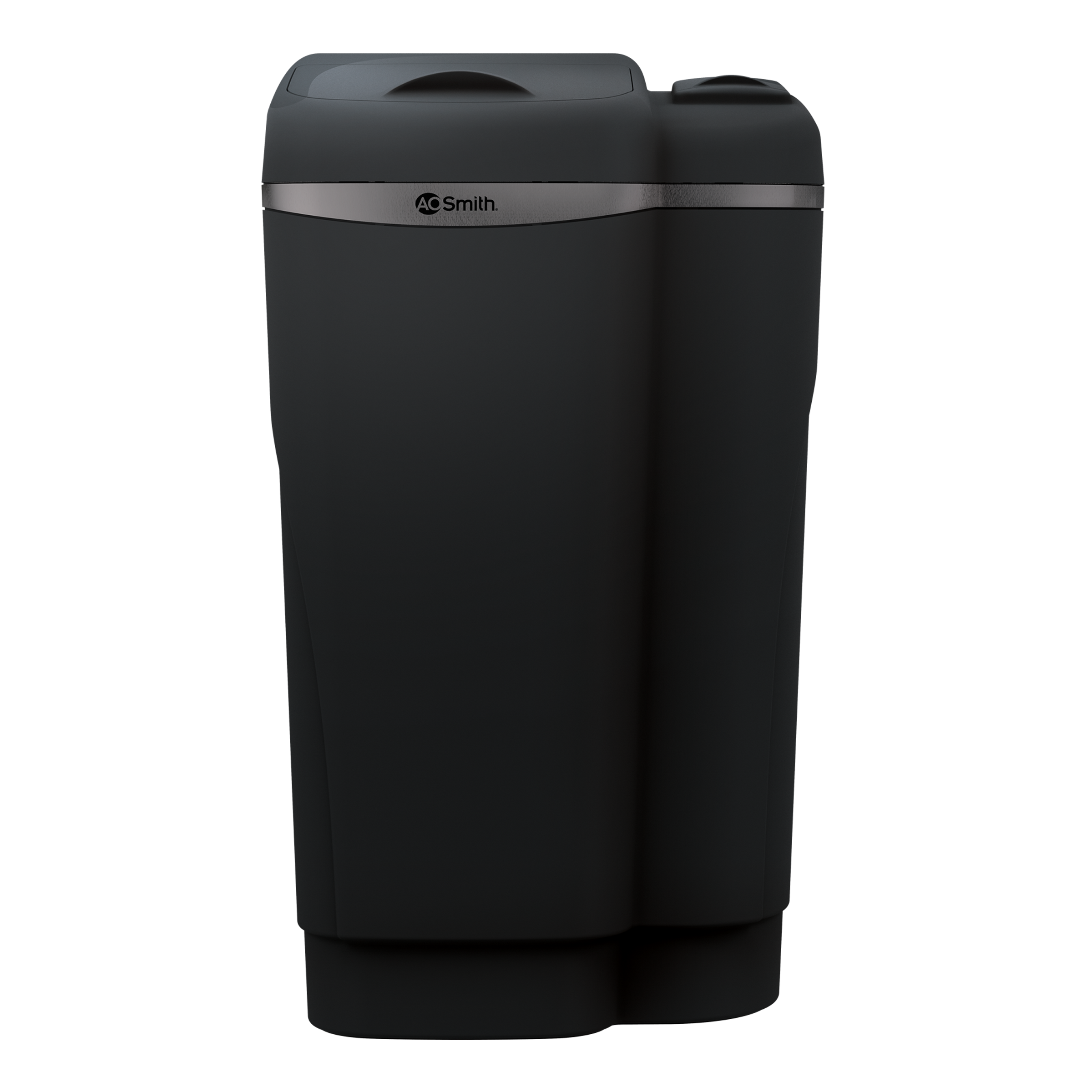
The only technology that removes hardness — the salt-free comparison shows what conditioners do instead.
What each technology actually does
Salt-based ion exchange (the "classic" softener)
Resin beads hold sodium ions; as hard water passes, calcium and magnesium swap onto the resin and sodium releases into the water. Result: hardness leaves the water — a test strip after the unit reads near-zero gpg. When the resin loads up, a brine rinse (regeneration) flushes the captured minerals to drain and recharges the bed. This is the only technology where the words "soft water" are chemically accurate, and the only one that runs on the sizing math this site is built around: grains, capacity, regeneration cycles, the market tier ladder.
Salt-free conditioners (TAC and cousins)
Water passes through media that gives dissolved hardness a template to crystallize onto — in a form that stays suspended in the water instead of adhering to surfaces. The calcium is still there (your test kit reads the same), soap still reacts with it, but the scale that would cement your heater element and fog your shower door largely doesn't form. No drain, no salt, no electricity, no regeneration. Media typically lasts a few years and is replaced rather than regenerated.
The imitators to know about
Not everything sold as "salt-free softener" is TAC. Magnetic and electromagnetic descalers claim to alter mineral behavior with fields — evidence quality varies wildly and independent verification is thin; treat strong claims skeptically. Catalytic media and "anti-scale" cartridges are closer to TAC in spirit. Whatever the label, the test is always the same: does the product claim to remove hardness, or to change its behavior? Removal without salt is not a thing in residential plumbing.
Head-to-head
| Salt-based softener | Salt-free conditioner (TAC) | |
|---|---|---|
| Hardness removal | ✅ real softening (gpg → ~0) | ❌ minerals remain |
| Scale protection | ✅ (nothing left to scale) | ✅ good, where properly sized |
| Soap lather / slippery feel | ✅ classic soft-water feel | ❌ unchanged |
| Iron tolerance | limited (compensate +4 gpg/ppm, ppm ceiling) | ❌ fouls quickly |
| Sodium added | yes (modest: ~8 mg per glass at 10 gpg) | none |
| Drain + regeneration | required | not required |
| Electricity | valve control | none |
| Sizing method | grain capacity math | service flow rate |
| Maintenance | salt refills; resin ~10+ yrs | media swap every ~2–5 yrs |
| Typical equipment cost | $400–1,800 by tier | $800–2,500 |
Which one is honestly right for your home
Choose salt-based when: you want true soft water (laundry, skin, fixtures), your hardness is high (10+ gpg), you have any dissolved iron, or you're tired of detergent overdosing. This is the majority answer in genuinely hard-water regions — size it with the calculator.
Choose salt-free when: your priority is specifically scale protection on appliances, there's no drain or space for a brine tank, sodium is a medical concern, local rules restrict brine discharge, or your hardness is moderate and iron-free. Accept going in that a test strip won't change and soap won't lather differently.
The both-worlds case: some homes run a salt-free whole-house scale treatment plus salt-based softening only on the hot side — uncommon, but it shows the categories answer different problems rather than competing for one.
The iron warning, again
If a water test shows dissolved iron, salt-free-only is the wrong architecture: TAC media fouls and loses function, and the "protection" quietly fails while the water heater keeps scaling. Wells with iron need filtration first (iron in well water covers the full ladder), and usually a softener sized with iron compensation behind it.
Sizing when there's nothing to size
TAC units are sized by service flow rate (GPM), not grains: the media needs enough contact time at your peak demand. Count peak simultaneous fixtures (bathrooms × 3–4 GPM as a working figure) and buy the model whose rated service flow covers it with margin — undersized TAC at peak flow simply stops treating, with no soft-water reserve to fall back on the way a salt-based unit has.
Related pages
- What size water softener do I need — the grain capacity math (salt-based side)
- Iron in well water — why iron changes the whole architecture
- Water softener cost — real price anatomy both categories
- The hardness scale — what your gpg number means
FAQ
Do salt-free water softeners actually work?
For what they actually do, yes — but they don't soften water. Salt-free systems are mostly template-assisted crystallization (TAC) conditioners: hardness minerals stay in the water at the same concentration, but the treatment changes how they crystallize, so scale doesn't cement onto heating elements and glass. Genuine softening — removing calcium and magnesium — only happens in salt-based ion exchange.
Why is my water still 'hard' after installing a salt-free system?
Because TAC doesn't remove hardness — your test kit will read the same gpg before and after, correctly. The improvement is in scale behavior: fixtures stop crust, shower doors spot less, heaters stay cleaner. If you bought it expecting slippery soft water and sodium-free soap suds, that expectation belonged to a salt-based softener.
Is a salt-free system better for septic systems or sodium restrictions?
These are the two honest use cases. TAC adds nothing to water — no sodium, no regeneration brine discharge — which matters on sodium-restricted diets and in some septic/jurisdiction situations. Salt-based softener brine into a septic tank is more debated than marketed: several studies find properly working septic systems handle it, but local rules vary. Check yours.
Can a salt-free system handle iron?
Poorly. Dissolved iron fouls TAC media and iron bacteria will clog it outright. On iron-bearing wells, the standard architecture is filtration (oxidizing media or an iron-specific stage) first — and if you also want true softening, a right-sized salt-based softener with its +4 gpg-per-ppm compensation after it.
All guides
Related pages